
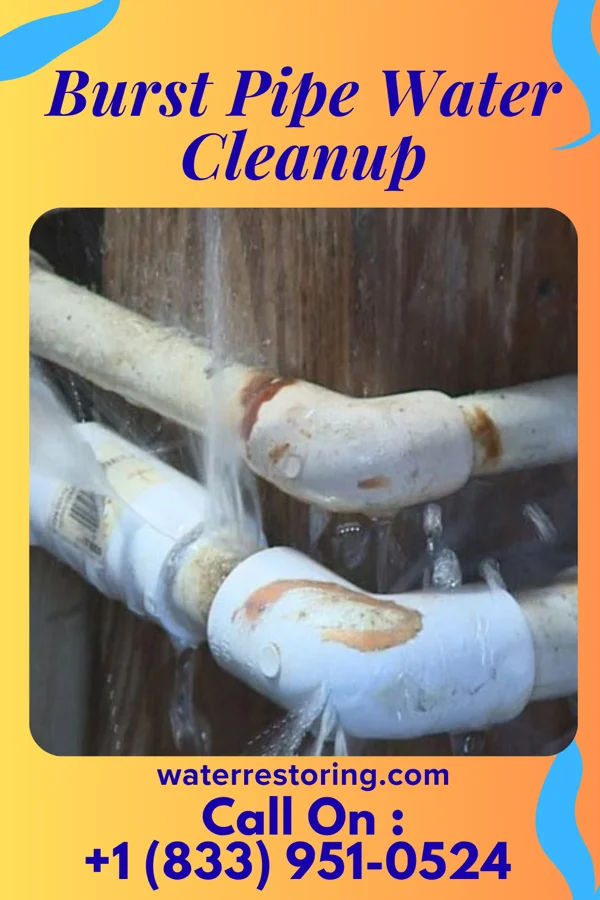
Why Burst Pipes Hit Duquesne Hard
The pattern in Duquesne is consistent. Duquesne's older infrastructure, including many pre-1950s buildings, increases the risk of burst pipes due to aging materials. The city's proximity to industrial areas like East Pittsburgh and McKeesport also means higher chances of water main ruptures during heavy rainfall or temperature fluctuations. drives most of the emergency restoration calls we get. A close second is The presence of numerous residential and commercial properties in neighborhoods like North Braddock and South Side Duquesne, many of which have outdated plumbing systems, contributes to a higher likelihood of pipe bursts. Additionally, the city's reliance on older water distribution networks increases vulnerability during extreme weather events..
Duquesne's climate, characterized by cold winters and humid summers, plays a critical role in pipe burst risk. The city's historical weather patterns, including frequent freeze-thaw cycles, contribute to the deterioration of aging infrastructure and increase the likelihood of water damage events.
Duquesne's climate, characterized by cold winters and humid summers, plays a critical role in pipe burst risk. The city's historical weather patterns, including frequent freeze-thaw cycles, contribute to the deterioration of aging infrastructure and increase the likelihood of water damage events. The dominant local driver is Duquesne's older infrastructure, including many pre-1950s buildings, increases the risk of burst pipes due to aging materials. The city's proximity to industrial areas like East Pittsburgh and McKeesport also means higher chances of water main ruptures during heavy rainfall or temperature fluctuations., with The presence of numerous residential and commercial properties in neighborhoods like North Braddock and South Side Duquesne, many of which have outdated plumbing systems, contributes to a higher likelihood of pipe bursts. Additionally, the city's reliance on older water distribution networks increases vulnerability during extreme weather events. showing up as the next most common cause. Damage builds in stages. Spread. Absorption. Microbial growth. Structural compromise. Every stage you pass through adds to the final bill.
For public guidance on the health effects of mold after prolonged water exposure, see the EPA mold and health page.